Strengthening Europe's Cancer Intelligence
|
|
|
|
Editorial by coordinators
|
|
|
From Political Commitment to Real-World Impact
|
Earlier this month, the European Parliament adopted a resolution marking World Cancer Day (4 February 2026) reaffirming what we in the cancer data community know all too well: cancer remains one of Europe’s most pressing public health challenges, with millions of people diagnosed each year and a profound impact on individuals, families, health systems and societies. The resolution calls for renewed political commitment to prevention, care and equity - and, importantly, to the infrastructures that make effective cancer policy possible.
High-quality, timely and comparable data are a cornerstone of that effort. They show us where progress is being made and where targeted action is required. They reveal inequalities that must not be ignored. And they allow us to move from good intentions to measurable impact. Without strong data, the progress of our cancer control strategies cannot be assessed. This is precisely why CancerWatch exists. Our Joint Action brings together partners from across Europe to strengthen the quality, speed and usability of cancer registry data, and to ensure that evidence truly informs decisions at national and European level. Our shared ambition is clear: better data for better decisions - and ultimately, better outcomes for people affected by cancer.
In this first CancerWatch newsletter, we inform you on how this work is taking shape. We are only at the beginning, but with the expertise and dedication across this partnership, we have everything we need to make a real difference together.
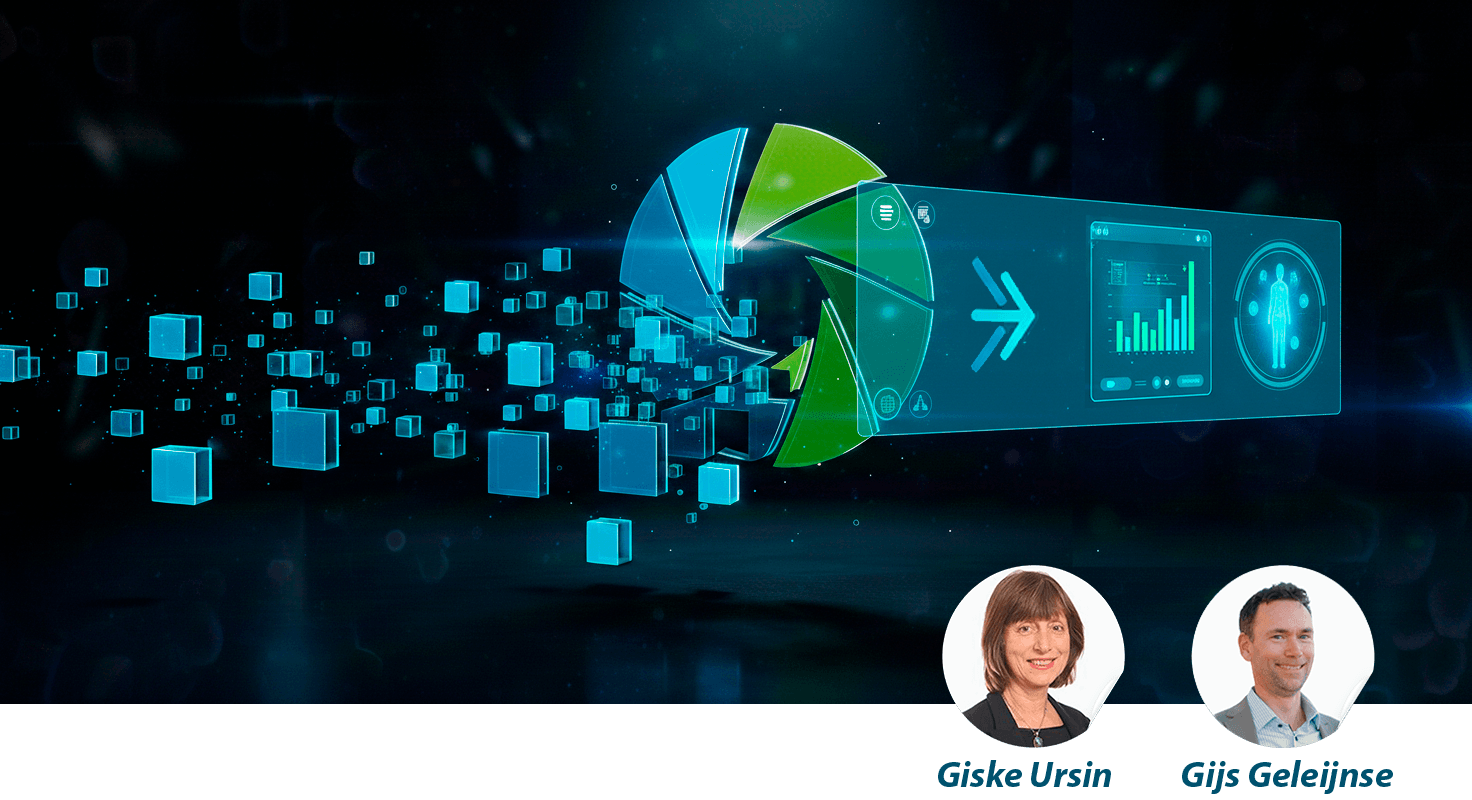
Gijs & Giske, coordinators
|
|
|
|
|
CancerWatch JA Official Website Launch
|
We are proud to launch the official CancerWatch JA website—your hub for everything related to our Joint Action and the European Health Data Space.
Our goal is clear: better data for a better understanding of cancer across Europe. Explore our new platform to see how we are driving data quality and innovation forward.
|
|
|
|
|
|
We are also on LinkedIn. Follow CancerWatch for the latest updates and breakthroughs.
|
|
|
|
|
|
Participation in TEHDAS2 consultation
|
In September 2025, the CancerWatch Joint Action project brought together representatives from ENCR, GRELL, and ANCR to provide feedback on nine of the eleven TEHDAS2 guidelines. The consultation focused on key aspects of the European Health Data Space, including data reuse protocols, fees and penalties, data minimization, pseudonymisation, secure processing environments, and opt-out mechanisms.
|
|
|
CancerWatch showcased at key international events
|
|
|
Strengthening Strategic Partnerships Across the European Cancer Community
|
CancerWatch continues to strengthen its visibility and connections across the European cancer community through active participation in major international events. Recently, the project was represented at IARC60, the ECO Summit in November, and the Canceropole meeting in France.
These events offered valuable opportunities to present the goals of CancerWatch, exchange with researchers, policymakers and registry experts, and position the Joint Action within the broader landscape of European cancer data and surveillance initiatives. Engaging with these communities helps ensure that CancerWatch’s work remains closely aligned with real-world needs and ongoing developments in cancer research and policy.
|
|
|
|
|
Empowering the Future of Cancer Surveillance
|
|
|
|
CancerWatch establishes Scientific Advisory Board
|
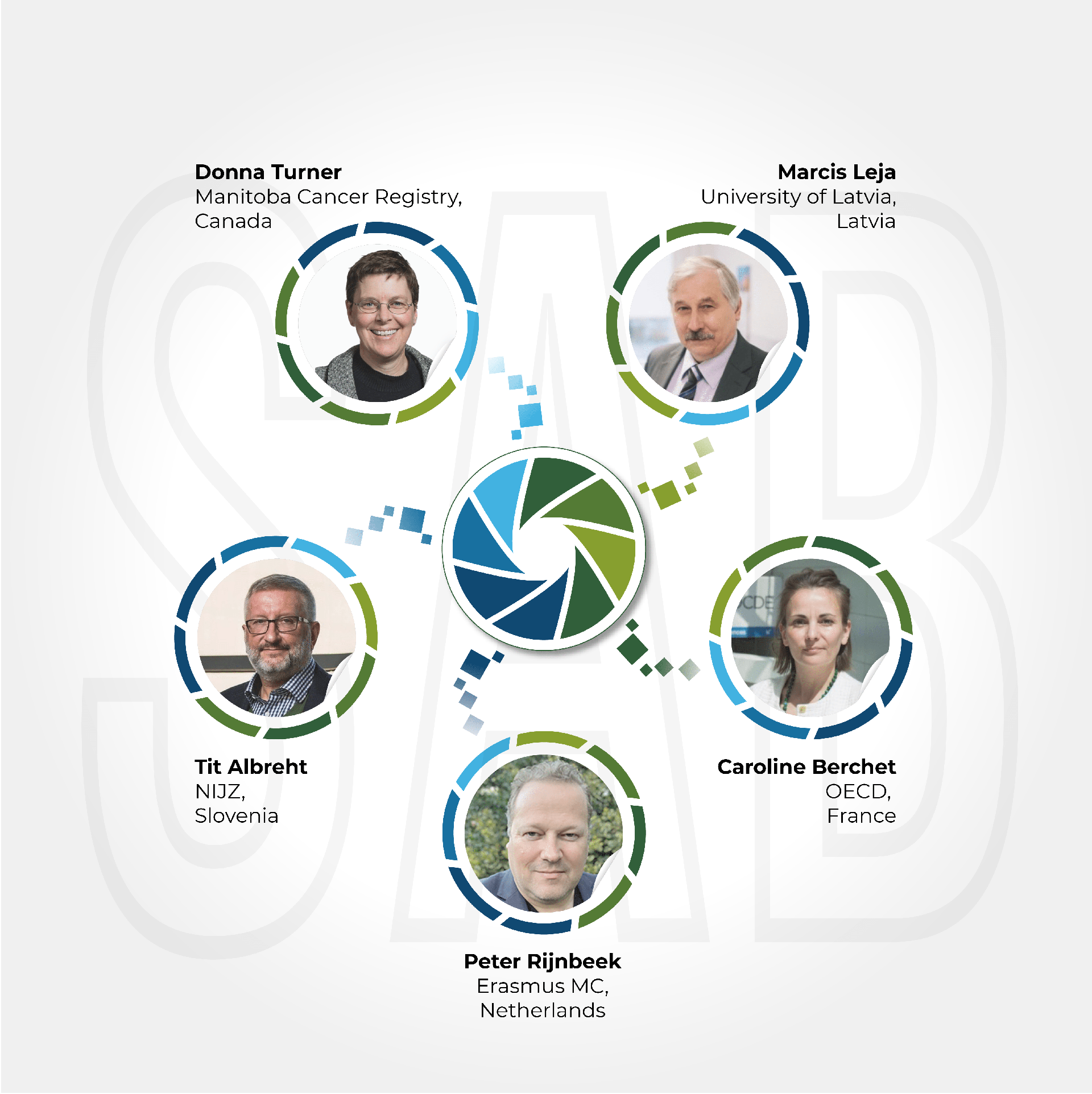
During the latest CancerWatch Steering Committee, the Scientific Advisory Board (SAB) was formally established. This group of leading experts will provide strategic guidance and help strengthen the impact and sustainability of the joint action’s results.
|
|
|
|
|
AIRTUM Congress puts collaboration in the spotlight
|
|
|
The Future of Cancer Data: A Look at the 25th AIRTUM Scientific Meeting
|
The 25th AIRTUM Scientific Meeting brought together the Italian and international cancer registry community to look ahead at the future of cancer data. In a dedicated international session, experts highlighted why understanding and comparing the cancer burden across countries depends on high-quality, comparable, and timely registry data.
Organised by the Italian Association of Cancer Registries (AIRTUM), this year’s meeting focused on the role of the National Cancer Registry as a cornerstone for prevention, diagnosis, and clinical governance. Across three days, discussions ranged from AI, data governance, and privacy, to tumour classification harmonisation, social inequalities, gender vulnerability, occupational cancers, and the “One Health” approach.
Curious about the key takeaways and conversations?
|
|
|
|
|
Spotlight: Strengthening Data Horizons with the QUANTUM Project
|
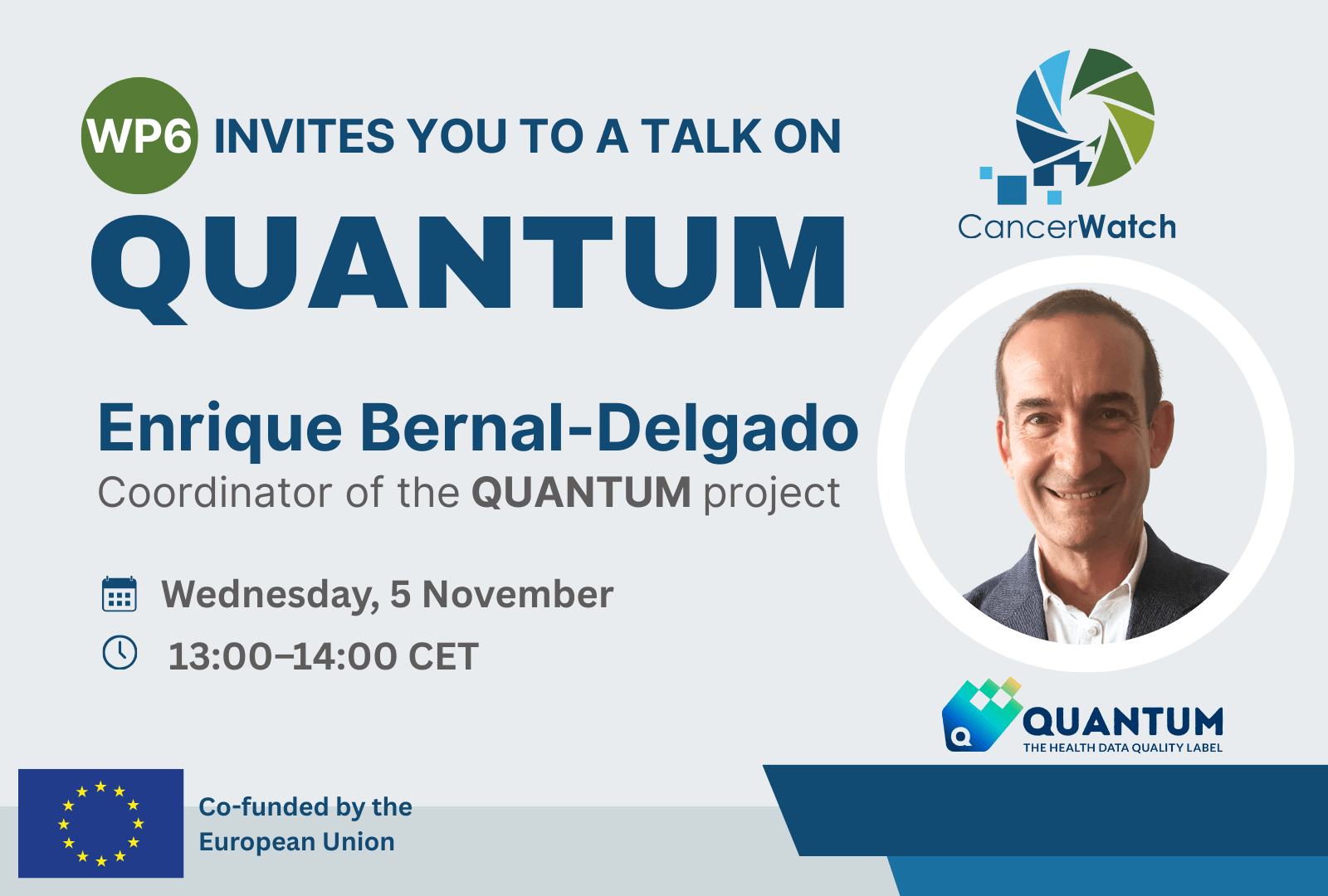
In November, the technical work package on Data Quality hosted an insightful session featuring Enrique Bernal-Delgado, Coordinator of the QUANTUM project.
As CancerWatch moves forward in its mission to streamline cancer monitoring across Europe, data quality remains our cornerstone. Enrique’s presentation shed light on how QUANTUM—developing The Health Data Quality Label—is set to revolutionize how we validate and utilize health information.
|
|
|
|
Key Takeaways from the Talk:
|
|
|
The Quality Label:
Understanding the framework behind a universal "label" for health data, ensuring it is reliable, reusable, and transparent.
|
|
|
Driving Synergies:
We explored how CancerWatch can align its data collection efforts with QUANTUM’s standards to ensure our outputs are of the highest clinical and research grade.
|
|
|
Unified Vision:
A shared commitment to the European Health Data Space (EHDS), making sure that data works for patients and researchers alike.
|
|
|
|
CancerWatch Work Packages
|
|
|
|
|
|
Technical work in CancerWatch gains momentum
|
Work across CancerWatch’s technical work packages is moving at full speed, with several key activities now underway to strengthen data quality, infrastructure and analytical methods for European cancer surveillance.
In the data quality workstream (WP6), a recent kick-off meeting brought together experts from across the Joint Action, the Joint Research Centre (JRC) and partner organisations to align on the roadmap towards a shared data quality framework.
|
|
|
|
The focus is now on reviewing the literature, defining core data quality dimensions and selecting indicators—considering the requirements of the European Health Data Space (EHDS). In parallel, work is progressing on the technical architecture, testing new European metadata standards to improve findability and interoperability, and aligning with other Joint Actions such as PreventNCD and EUCanScreen. Preparations are also underway to define a strategic approach to data access via the European Cancer Information System (ECIS).
At the same time, the work on survival and prevalence indicators (WP7) has started with strong engagement from the community. Teams are developing and aligning methodological proposals, defining data quality checks, and working on implementation in CRATE2 using R-based tools. A dedicated expert group is being set up, and first research use cases—focusing on lung cancer and melanoma—are being prepared using ECIS survival data.
Together, these activities form the technical backbone of CancerWatch, helping turn shared standards and methods into practical tools for better, more comparable cancer data across Europe.
|
|
|
|
Norwegian Institute of Public Health
|
|
|
|
In compliance with the General Data Protection Regulation (EU) 2016/679, we inform you that your contact information is processed by the CancerWatch Joint Action Coordination Team solely for the purpose of sharing project updates, results, and relevant events.
• Data Controller: Norwegian Institute of Public Health / CancerWatch Coordination.
• Purpose: Communication and dissemination of the CancerWatch Joint Action activities.
• Legal Basis: Legitimate interest in disseminating EU-funded research or prior professional contact.
• Your Rights: You have the right to access, rectify, or delete your data at any time. To exercise these rights or to stop receiving these communications, please click the Unsubscribe link below or contact us at [info@cancerwatch.eu].
Your data will not be shared with third parties outside the CancerWatch Consortium and will be stored securely in accordance with EU regulations.
|
|
|
|
If you no longer wish to receive our newsletter, please click the button below.
|
|
|
|
|