We’ve packed this edition with exciting updates—from the launch of our official project website and deep dives into our latest teamwork milestones, to upcoming event spotlights and curious insights that connect everyday life to breast cancer health.
|
|
|
|
A groundbreaking ELISAH study of over 36,000 women across four European nations reveals that air pollution and neighbourhood deprivation significantly impact survival rates after a breast cancer diagnosis.
|
|
A new ELISAH study of more than 2,600 women shows that lifestyle and metabolic factors at the time of a breast cancer diagnosis heavily influence long-term survival, prompting a fresh call for a four-stage health strategy across Europe.
|
|
The results from our second-year Partners’ Satisfaction Survey are in, and they are excellent: 83.3% of partners agree that our evaluation progress is running perfectly in due time!
|
|
|
|
|
Moving from Science to Action!
|
Dear Partners and Friends,
I am proud to introduce the June 2026 edition of the ELISAH project newsletter, marking a major turning point in our collective mission. We are successfully transitioning from rigorous data collection and scientific analysis to the design of concrete, multi-level public health interventions across Europe.
The latest findings from Deliverables 3.3 and 3.4 present a clear public health challenge, establishing a critical link between breast cancer mortality, environmental pollution, and metabolic risk factors. From widespread exposure to atmospheric pollutants exceeding WHO guidelines to the distinct health hazards of elevated fasting glucose, the data demands a comprehensive response.
The results of Deliverable 6.2 showed variations by neighbourhood in green spaces, atmospheric pollutant concentrations, high traffic way density in Athens, Milan and Ivano-Frankivsk, paving the way for the set-up of proposals to improve the built environment using a “participatory science” approach.
At ELISAH, we believe research cannot stay trapped in spreadsheets. We are channelling this evidence into four distinct levels of intervention—spanning population-level prevention, hospital-based care, community follow-ups, and health-promoting environments. On the ground, initiatives like our mobile health application (BRCApp) and targeted clinical roadmaps for vulnerable populations are already turning this vision into a reality.
As a result of synergies between JA PreventNCD and four EU4Health granted projects – PEACHD, ELISAH, FILTERED and ShowUp4Health – a policy brief entitled “Stronger Together: European Collaboration to Prevent Cancer and Other NCDs and Reduce Health Inequalities” has been published on the important topic of health inequalities.
True prevention requires an unyielding, multi-level commitment. Together, we are moving from science to action to change the environment and improve patient outcomes.
Warm regards,
Paolo Contiero
|
|
|
|
|
|
Clean Air, Better Survival: Looking Beyond the Clinic
|
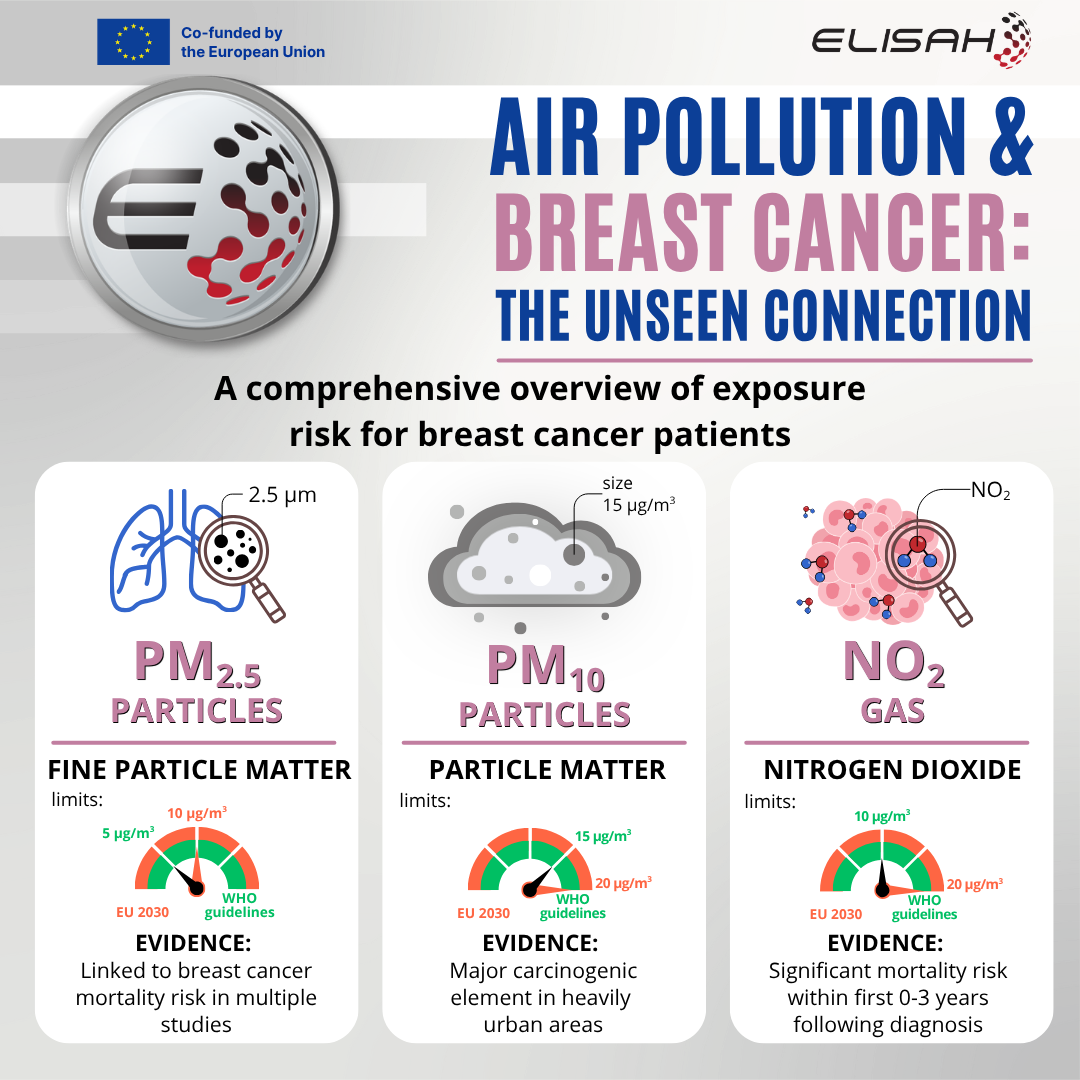
Our environment plays a much bigger role in health than we might think. In a major milestone for the ELISAH project, researchers tracked 36,794 women diagnosed with breast cancer between 2015 and 2021 in Greece, Italy, Spain, and Ukraine to see how environmental factors impact their journey.
The results are an urgent wake-up call. Most of the women lived in areas where air pollutants—like nitrogen dioxide (NO2) and fine particles (PM2.5)—exceed the strict health guidelines set by the World Health Organization. Crucially, the study found a direct link between higher exposure and an increased risk of mortality, particularly within the first three years following diagnosis. Furthermore, patients living in socioeconomically disadvantaged neighbourhoods faced even tougher odds.
This isn't just about statistics; it is about real lives. By connecting these environmental and social gaps, ELISAH is turning data into action. We are using these findings to advocate for cleaner air standards and targeted support for vulnerable communities, ensuring that where you live doesn't dictate your chance at recovery.
|
|
|
|
|
|
Bringing ELISAH's Voice to the Global Stage
|
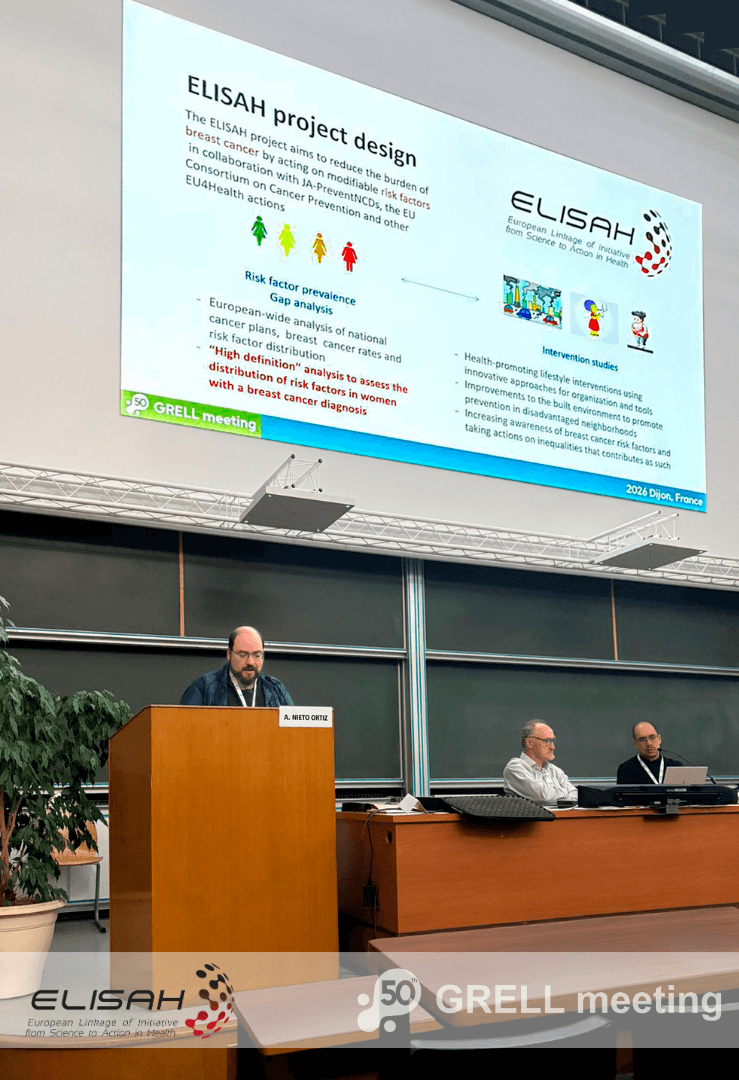
It is one thing to gather data, but it is another to share it where it can spark real change. That is exactly what Adrián Nieto, from the Glòria Compte Innovation and Research Institute (Fundació Salut Empordà) and collaborator of the Girona Cancer Registry, did at the recent GRELL meeting in Dijon.
Adrián presented the vital conclusions of our recent cross-border study, which looked closely at how air pollution and neighbourhood hardship impact women healing from breast cancer. By bringing together cancer registries from Spain, Italy, Greece, and Ukraine, this collaborative effort shows what happens when we look outside the clinic walls.
"We found that a worrying number of women are living in areas where air pollution crosses healthy thresholds," Adrián shared. The study highlighted that breathing higher levels of nitrogen dioxide (NO2) significantly raises health risks, particularly in the critical first three years after a diagnosis. It also shone a light on social gaps, showing that women in the most economically disadvantaged neighbourhoods face the steepest uphill battles.
Next up? The ELISAH team is diving deeper to analyse specific causes of mortality, keeping up the momentum to turn these insights into healthier, fairer communities for everyone.
|
|
|
|
|
|
Shaping the Future: How Lifestyle and Care Intersect in Breast Cancer Recovery
|
When it comes to beating breast cancer, medical treatments are only part of the story. What is happening in a patient’s daily life at the time of diagnosis can actively shape her recovery and long-term health.
In our latest study (Deliverable 3.4), ELISAH researchers followed 2,622 women with invasive breast cancer to understand the role of lifestyle habits and metabolic health. The initial data revealed some striking numbers: between 44% and 67% of the women were living with overweight or obesity, and up to 57% had elevated fasting blood sugar levels.
The study found a very clear connection: higher blood sugar levels act as a distinct hurdle to survival. Interestingly, the data also highlighted complex body mass index (BMI) patterns, showing that maintaining a stable, healthy weight provides a protective cushion during recovery.
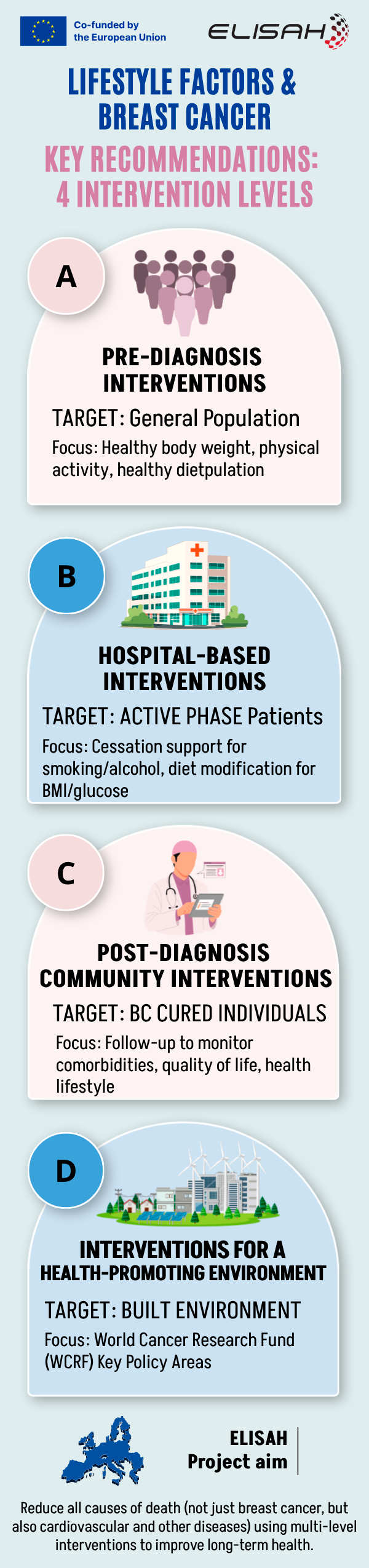
Because these factors are modifiable, they represent an incredible opportunity to make a difference. To turn these insights into everyday wellness, ELISAH is championing a community-first, four-level approach to intervention:
By connecting medical data with real-world action, we are working to build a healthier, more supportive future for women everywhere.
|
- Before Diagnosis: Helping everyone build healthy habits through movement, good nutrition, and weight management.
- Inside the Hospital: Supporting patients during active treatment with structured programs to quit smoking or alcohol and tailored dietary support.
- Back in the Community: Partnering with breast cancer survivors to manage other health conditions, track well-being, and protect their quality of life.
- In Our Neighbourhoods: Designing active, health-promoting spaces like green parks and bike lanes so the healthy choice is the easiest choice.
|
By connecting medical data with real-world action, we are working to build a healthier, more supportive future for women everywhere.
|
|
|
|
|
|
Heart and Health in Action: Overcoming Hurdles in Ivano-Frankivsk
|
True healthcare means making sure no one is left out, no matter their circumstances. That is the driving force behind the team at the Central City Clinical Hospital of Ivano-Frankivsk (CCCH), who are leading ELISAH’s mission to tackle health inequalities. Through community listening, digital tools, and deep empathy, they are turning research into real-world rescue lines.
Here is how they are making a difference:
|
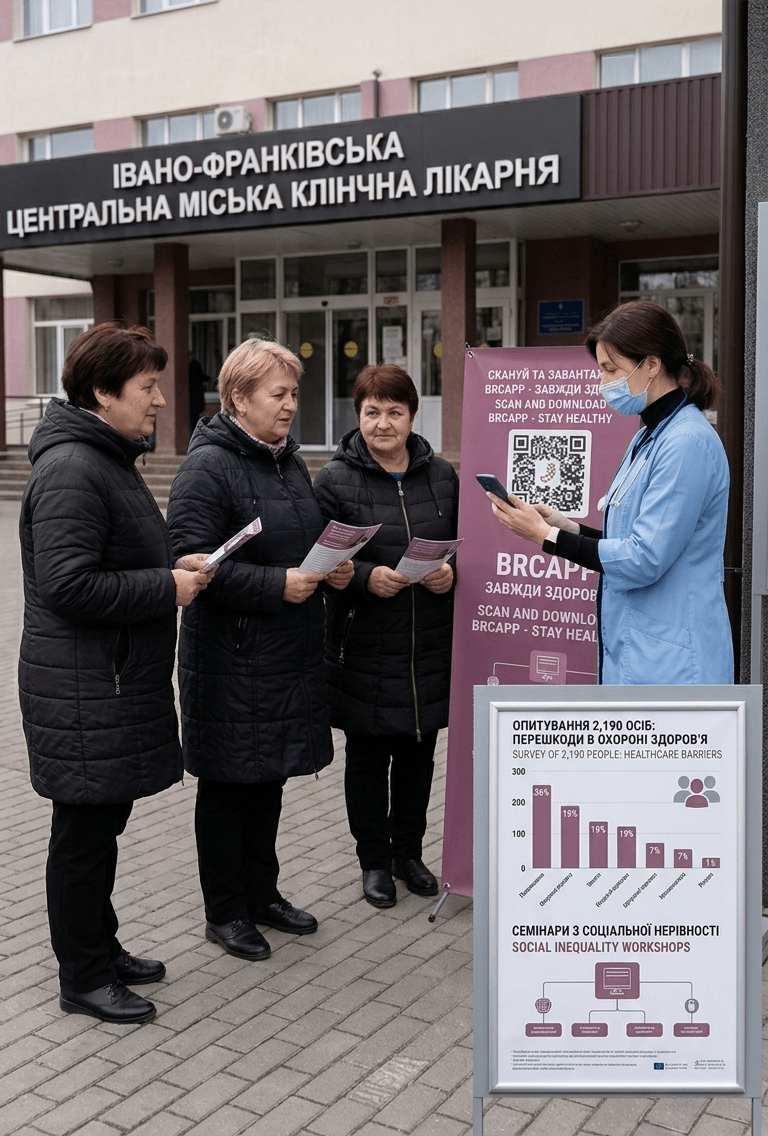
- Listening to 2,190 Voices: To truly understand why some women can't access timely breast cancer screening, CCCH conducted a massive regional survey. By listening to over 2,000 residents, they now have a clear map of exactly where the geographical and social gaps are, allowing them to target support where it’s needed most.
- Putting Health in the Palm of Your Hand: The rollout of ELISAH’s new mobile app, BRCApp, is officially underway! The team is on the ground distributing simple, friendly guidebooks to help local women comfortably adopt this digital tool into their daily wellness routines.
- Breaking Down Psychological Walls: Going for a mammogram can be scary, and fear is often a silent barrier. CCCH hosted interactive community workshops to openly discuss these emotional roadblocks and design gentler, more encouraging ways to invite women in for screenings.
- Protecting the Most Vulnerable: In a deeply impactful initiative, the team designed a practical care guide for a scenario that is all too real today: an internally displaced woman who finds a breast lump but lacks the local paperwork or a registered family doctor. CCCH’s new roadmap ensures that healthcare workers can bypass red tape to give her immediate, life-saving care.
|
By focusing on the human stories behind the statistics, the CCCH team is proving that prevention and care belong to everyone—leaving no paperwork or psychological barrier in the way.
|
|
|
|
|
|
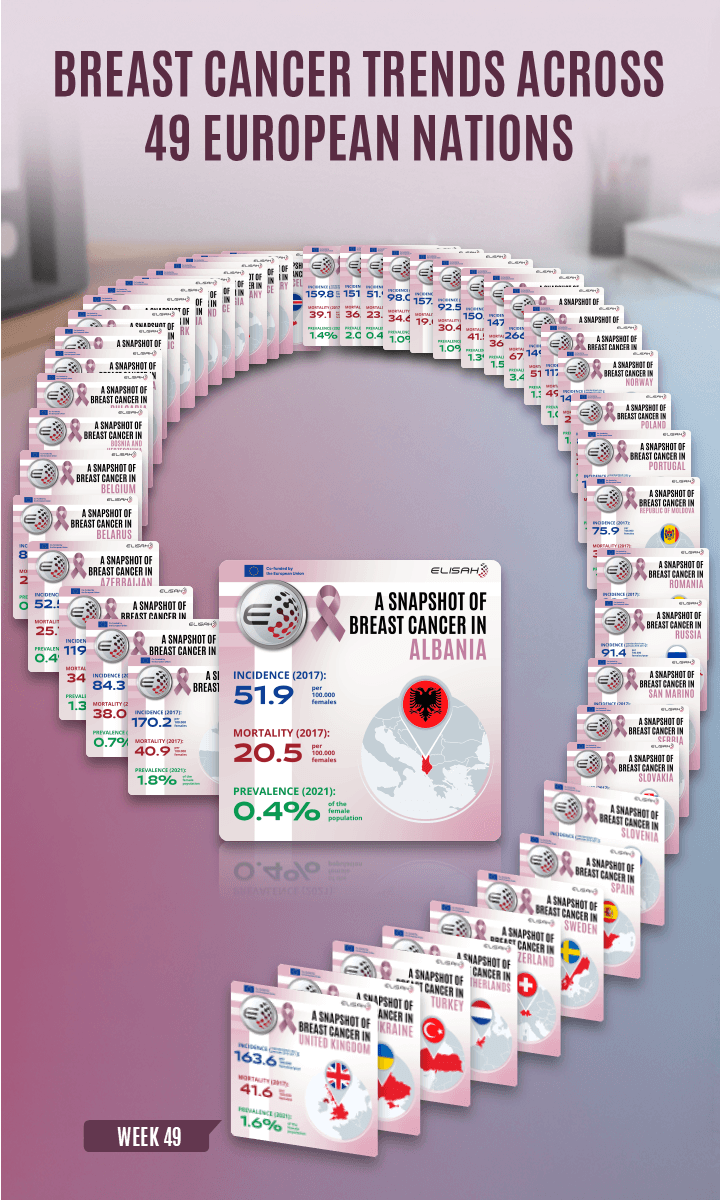
Breast Cancer Trends: Insights from across 49 European Nations
|
Over the past 49 weeks, our channels on LinkedIn, X, and Facebook have featured a weekly breakdown of breast cancer epidemiology across 49 European countries, covering the 2013–2017 period.
By standardizing the data for each country—focusing specifically on incidence, mortality, and prevalence—we created a consistent framework to analyze the cancer burden across different regions. This series was designed to move beyond individual snapshots, offering a comparative perspective on how these key metrics fluctuate across the continent.
Our goal was to shed light on regional disparities and bring greater visibility to the epidemiological realities of breast cancer, providing a clearer view of the European landscape for those working in public health, research, and policy. Thank you for following along on this journey to better understand the European oncology landscape through data.
|
|
|
|
|
|
The City as a Living Map: Rethinking Breast Cancer Prevention
|
When we think about breast cancer prevention, we often look at genetics or lifestyle. But the latest report from the ELISAH project, Deliverable 6.2 (Work Package 6), shifts our gaze outward to the silent role of the urban landscape. By analysing Athens, Milan, and Ivano-Frankivsk, the study maps how built environments (green spaces, roads) and air pollution (PM2.5 and NO2) interact with local socio-economic deprivation.
A Shared Breach of Limits
The data paints a sobering picture: average air pollution levels in all three cities consistently exceed World Health Organization (WHO) guidelines. In Milan, nitrogen dioxide (NO2) levels soared to nearly four times the recommended limit. According to the JRC Air Quality Atlas, these risks are driven by everyday urban activities, from transport and residential heating to external agricultural emissions drifting into the city.
The Paradox of Deprivation
While pollution is widespread, who is most exposed depends entirely on the local map:
|
- Athens: The study highlights clear environmental injustice, as the most socio-economically deprived neighbourhoods bear the heaviest burden of NO2 exposure.
- Milan: A fascinating paradox emerged—less deprived neighbourhoods face higher NO2 levels due to their proximity to the congested city core, while green spaces are more heavily associated with deprived municipal areas.
- Ivano-Frankivsk: Navigating severe conflict-zone challenges, the ELISAH team successfully launched a ground-breaking pilot project to calculate a localized Deprivation Index, ensuring Ukrainian women are fully represented in this research.
|
From Data to Localized Action
The core takeaway of Deliverable 6.2 is clear: urban health cannot be solved with a one-size-fits-all strategy. Because the relationship between city design, deprivation, and environmental risk is highly localized, municipal policies must be custom-made. By pinpointing exactly which neighbourhoods lack green spaces or are choked by traffic, ELISAH is providing local governments with the precise coordinates needed to build healthier, more resilient communities.
|
|
|
|
|
|
Keeping ELISAH on Track: Progress and Evaluation
|
Behind every successful health initiative is a robust mechanism keeping the wheels turning smoothly. In the ELISAH project, that vital role belongs to WP7 (Dissemination and Evaluation), led by the team at IRBCatSud-IISPV (Reus, Spain). Running throughout the entire project timeline, their mission is to monitor our impact, track timelines via our project Gantt chart, and ensure we hit our core objectives.
Key Milestones & Partner Insights
The project reached a major milestone earlier this year with the successful submission of Deliverable D7.4 (Interim Evaluation Report) to HaDEA in January 2026.
To gauge our internal momentum, WP7 recently conducted the second-year Partners’ Satisfaction Survey. The feedback is overwhelmingly positive: 83.3% of respondents state that evaluation progress is moving forward exactly in due time, reflecting excellent collaboration across all work packages. The team is currently preparing the full results to share with all partners.
Looking Ahead
As ELISAH enters its final term, WP7 is stepping into high gear. The upcoming months will focus on final evaluation tasks, including a comprehensive SWOT analysis, a cost-effectiveness analysis of our piloted solutions, and the preparation of the Final Evaluation Report (D7.5) for early 2027.
|
|
|
|
|
|
Next Posts on ELISAH's networks
|
New Series: Analysis of Exposure Risk and Lifestyle Factors
The launch of a new series of publications has been announced, aimed at exploring the key findings from the deliverables WP3 - D 3.3 (Report on Exposure Risk) and WP3 - D 3.4 (Report on Lifestyle Factors).
This series provides an in-depth examination of the technical conclusions presented in these reports, translating complex epidemiological analysis into accessible insights regarding how environmental surroundings and daily habits influence long-term health.
|
|
|
|
|
|
• New Resources Available on the ELISAH Website
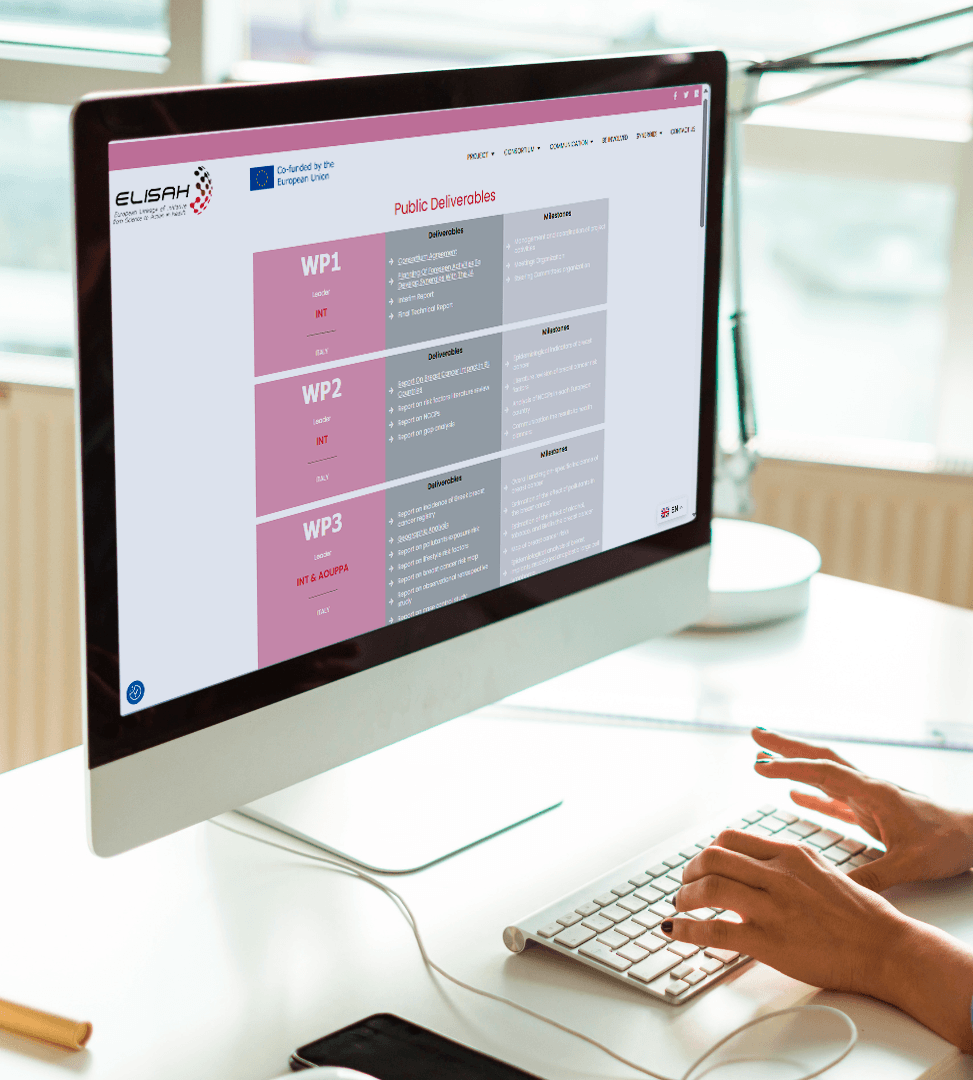
We are pleased to announce that two new deliverables from WP3 have been published and are now available for consultation on our website:
D 3.3: Report on Exposure Risk
D 3.4: Report on Lifestyle Factors
D 6.2: Urban environment and breast cancer risk
These documents provide valuable insights into our ongoing work. We invite you to visit the ELISAH portal to review these latest additions and stay updated on our project's progress.
|
|
|
|
|
|
Next Meetings and courses of breast cancer
|
|
|
|
Italy - Spain - Greece - Ucrania / Co-funded by the European Union
|
|
|
|
|