In this issue, we provide information on the project’s progress, including the webpage news, the development of the different work packages, dissemination opportunities, and curiosities related to breast cancer.
|
|
|
|
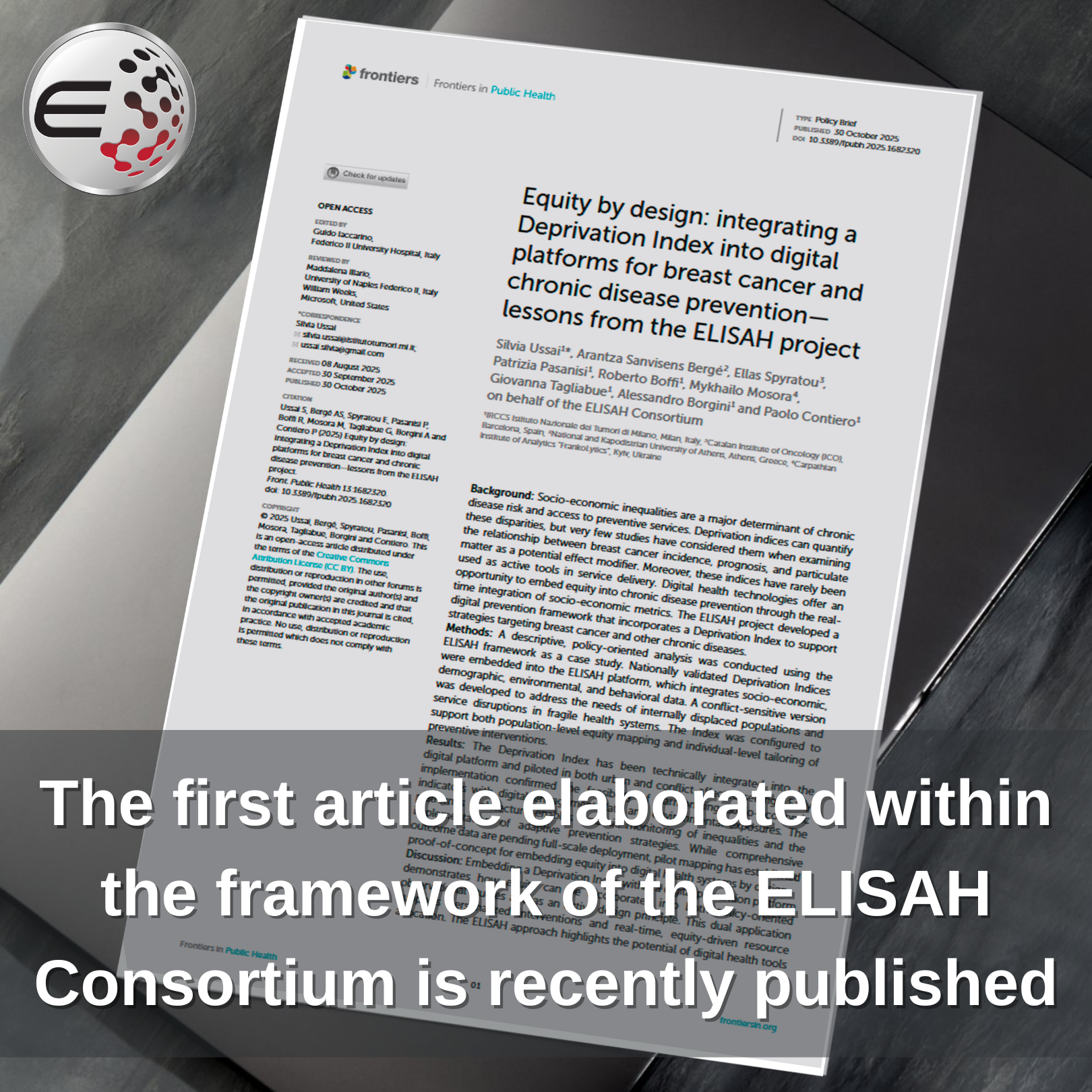
The first article from the ELISAH Consortium has been published.
|
|
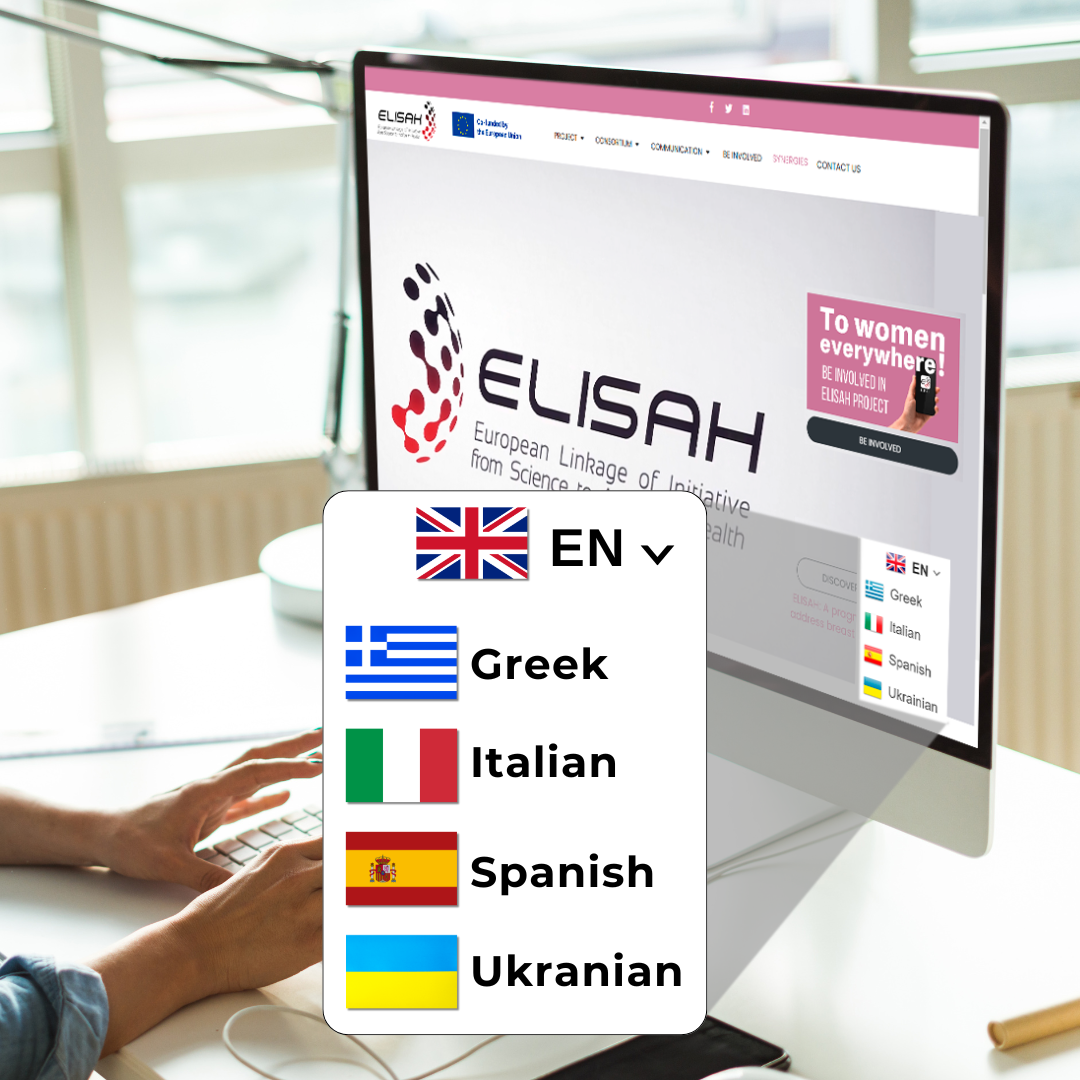
The website is now available in the consortium's various languages (Greek, Italian, Ukrainian, and Spanish).
|
|
ELISAH is actively working to strengthen synergies with other European projects.
|
|
|
|
|
Projects like ELISAH, PEACHD, FILTERED, ShowUp4Health, and the Joint Action PreventNCD are collaborating to prevent cancer and other major diseases.
Many of these illnesses are preventable, but vulnerable groups continue to be hit hardest.
The brief calls for stronger alignment of EU policies and funding to boost prevention efforts.
It recommends tougher national regulations on harmful products and integrating health equity into all policies.
By acting together at EU, national, and local levels, Europe can reduce health inequalities and improve wellbeing for all.
|
|
|
|
|
|
Working group 2 (WP2) is currently reviewing the literature on breast cancer risk factors. Specifically, they are conducting a review already registered in PROSPERO under the title "Preventing breast cancer: an umbrella review on modifiable risk factors." The articles on the various risk factors to be analyzed have been distributed among working groups and cover sociodemographic, environmental, lifestyle, and hormonal factors, among others.
|
|
|
|
|
|
Geographic analysis (WP3)
|
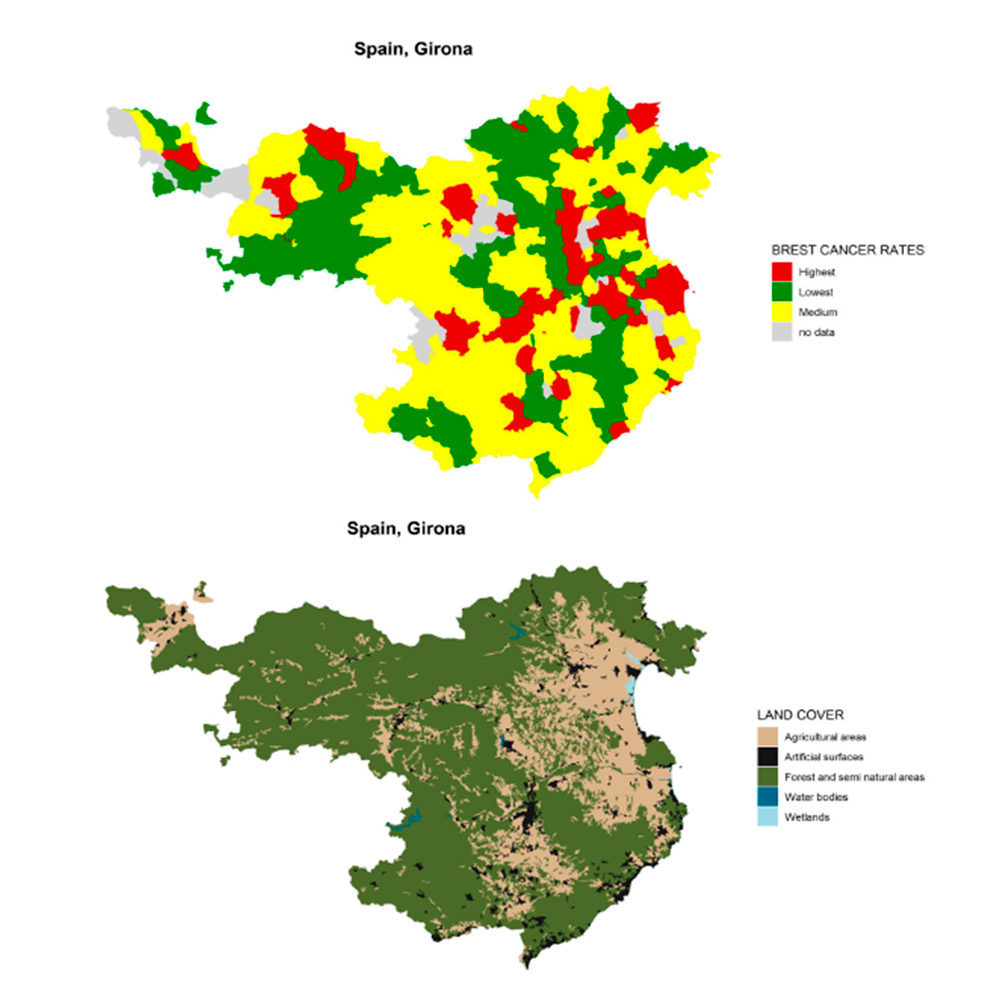
Over the past few months, a geographical analysis has been conducted to determine if there are local differences in breast cancer incidence. Data from participating registries have been used, and the initial results are presented in deliverable 3.2. These results indicate that the variations at the local level were greater than those at higher geographic levels, designating geography as an important source of inequalities.
|
|
|
|
|
|
APP news and recruitment (WP4)
|
The ELISAH app is now available in multiple languages and offers personalized content, progressive questionnaires and tailored activity plans. Since its launch (March 2025), the app has attracted users in its target countries, with 225 registrations accumulated in Italy alone from March to November 2025, highlighting its growing reach and impact on women's health research in Italy, Greece and Ukraine.
|
|
|
|
|
|
Action to reduce health inequalities (WP5)
|
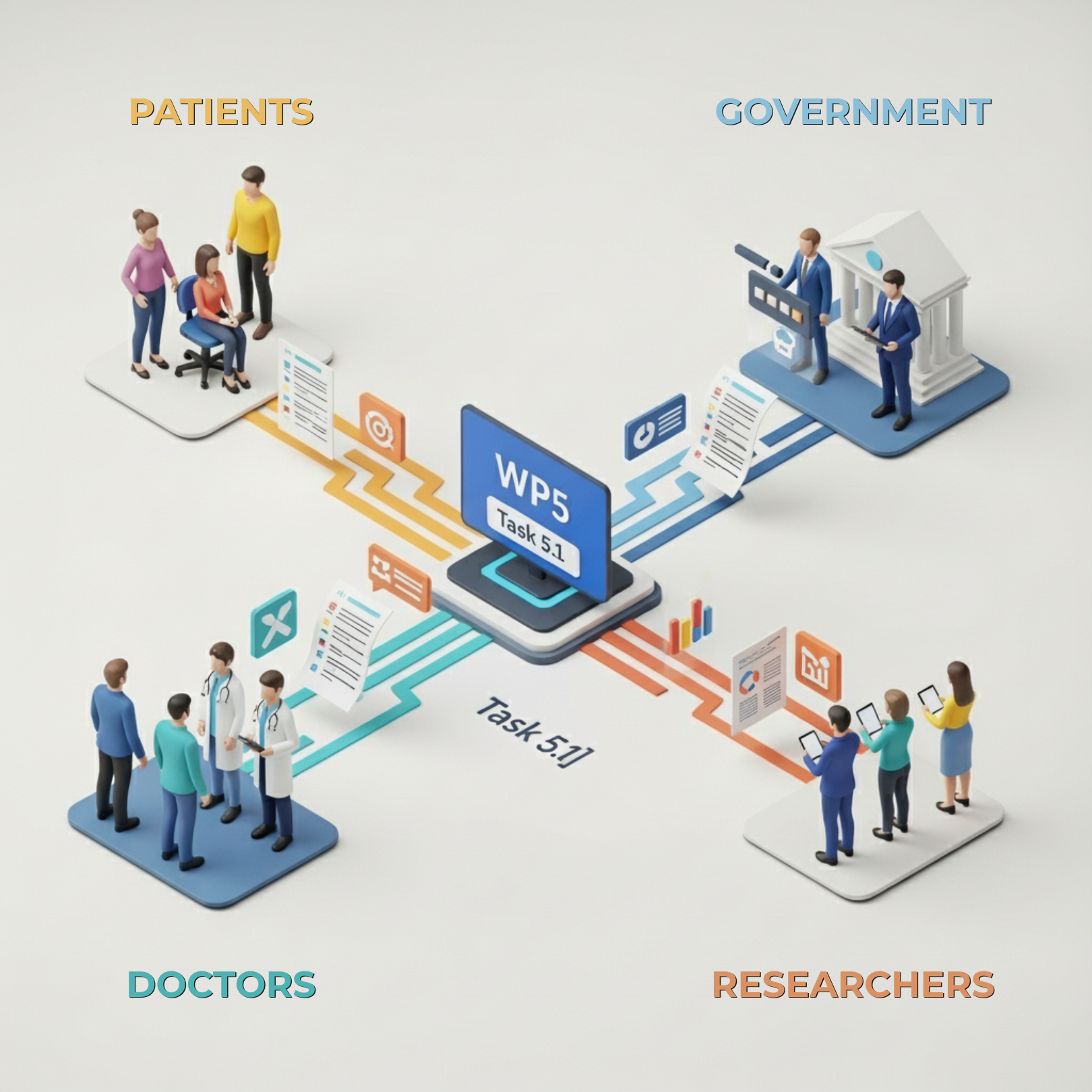
Working group 5 (WP5) has been developing task 5.1, which is an “Analytical research on health inequalities conduction.” This task will be carried out through approximately 2,000 surveys administered to four focus groups (patients, doctors, government units, and researchers).
|
|
|
|
|
|
The first article elaborated within the framework of the ELISAH Consortium was recently published. This paper demonstrates the feasibility of integrating a Deprivation Index into a digital participation platform to support strategies targeting breast cancer and other chronic diseases.
Equity by design: integrating a Deprivation Index into digital platforms for breast càncer and chronic disease Prevention – lessons from the ELISAH project
Ussai S, Sanvisens A, Spyratou E, Pasanisi P, Boffi R, Mosora M, Tagliabue G, Borgini A, Contiero P on behalf of ELISAH Consortium
Front Public Healt 2025;13:1682320
|
|
|
|
|
|
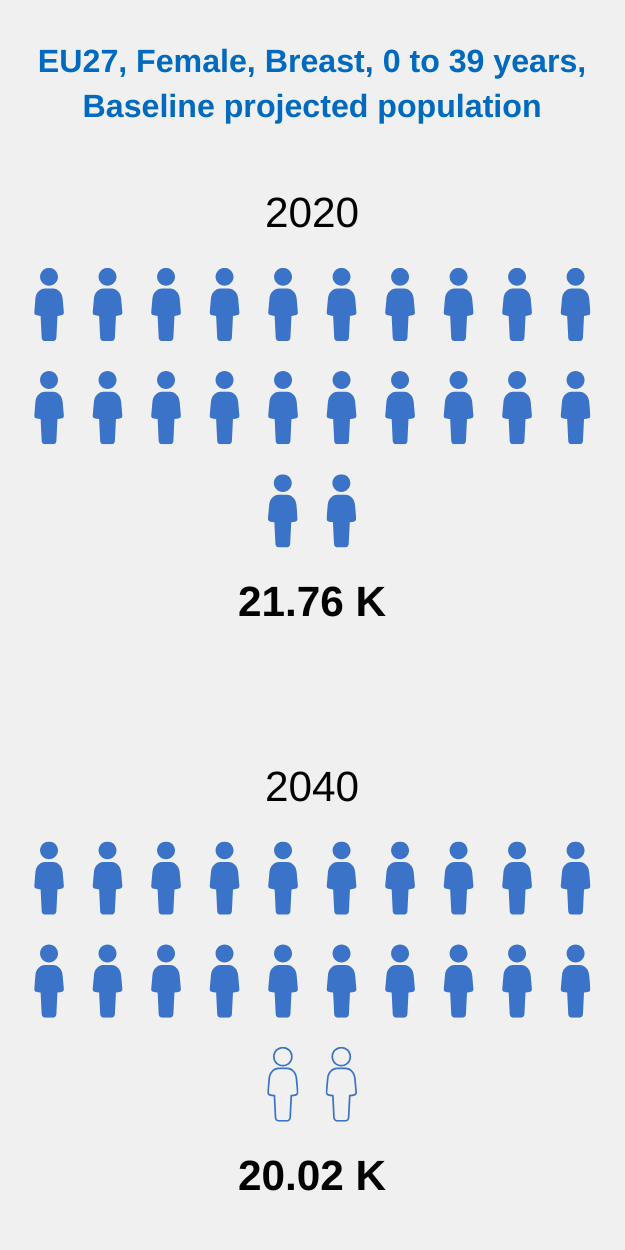
Long term estimates of cancer incidence in young woman
|
In 2022, approximately 250,000 women under the age of 40 were diagnosed with breast cancer worldwide, 13.9% of whom were European. Estimates for 2040 predict a decrease in incidence in this age group across Europe, primarily due to demographic changes. However, an increase in cases is projected for this age group in some countries, including Spain, Belgium, Ireland, Denmark, France, and the Netherlands, among others.
|
|
|
|
|
|
• The ELISAH website content is now available in the languages of the participating centers in the consortium.
• A list of materials produced by ELISAH and included in the app has been added.
• A new tab has been added related to the synergies ELISAH is establishing with other European projects.
• The content has been updated with clearer, more accessible text for a general audience
|
|
|
|
Italy - Spain - Greece - Ucrania / Co-funded by the European Union
|
|
|
|
|